Ophthalmics shaped around diagnosis, visual goals, and long-term eye health.
We do not reduce complex eye care to a generic consultation. Each service line is organized around the questions that matter most: what is causing the problem, who is suitable for treatment, which intervention is appropriate, and what follow-up protects the result.
Consultation pathways built around diagnostics, suitability, and surgeon review.
Advanced cataract, laser vision, retina, cornea, and glaucoma pathways.
Care coordination for local, referred, and international patients.
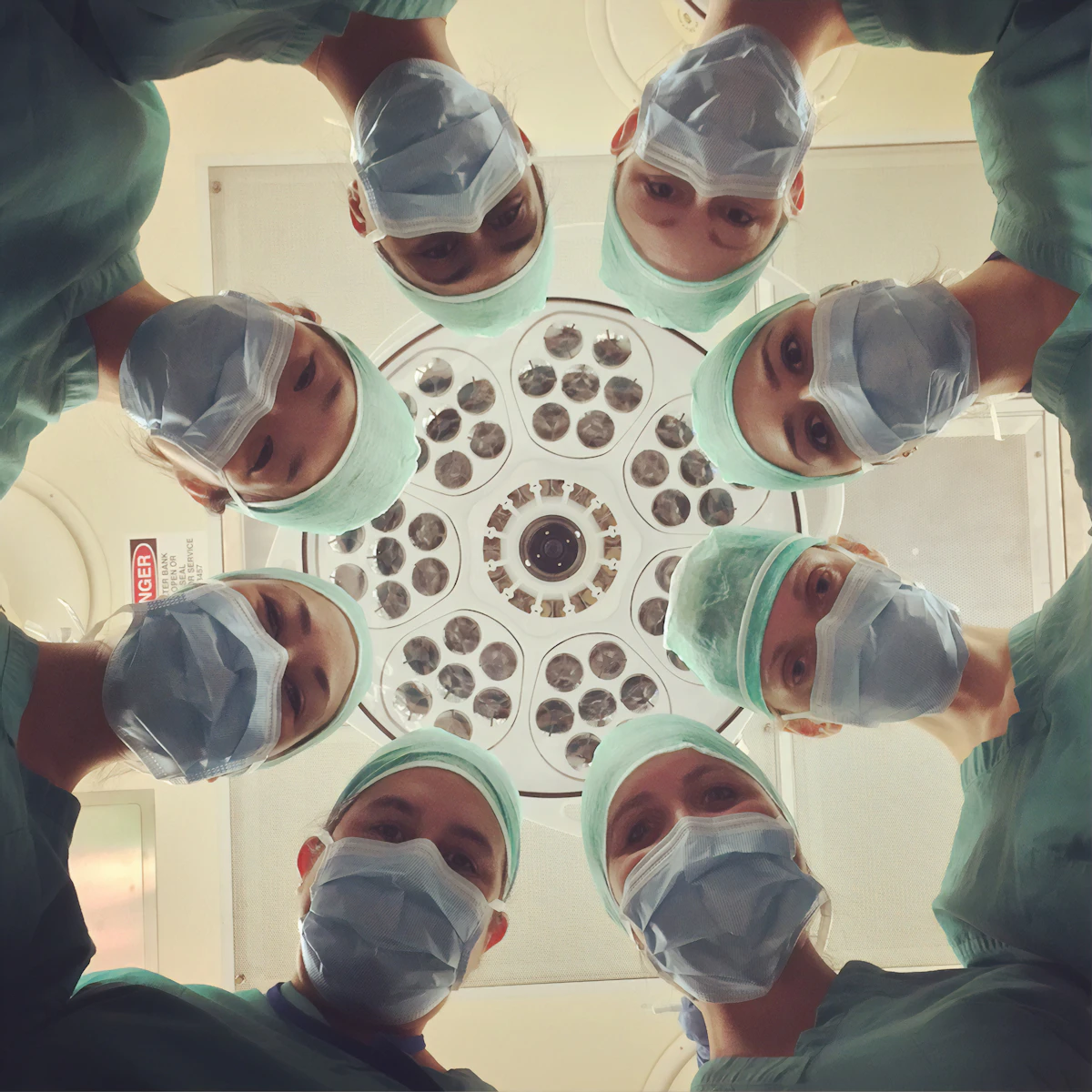
Every recommendation starts with suitability, visual goals, ocular measurements, and a clear discussion of trade-offs.
Comprehensive services with distinct clinical intent.
From elective vision correction to disease monitoring, our teams combine consultant review with targeted diagnostics so decisions are grounded in ocular findings rather than assumptions.
Cataract surgery planned with equal attention to safety, optics, and the patient’s daily visual priorities.
Premium cataract care is not simply about removing a lens opacity. It involves measuring the eye accurately, selecting the right lens strategy, managing pre-existing ocular surface issues, and setting realistic expectations before surgery.
Request cataract evaluationPre-operative workup
Optical biometry, topography, ocular surface optimization, and retinal review reduce avoidable surprises and improve the relevance of lens planning.
Lens option counseling
Monofocal, toric, and lifestyle-oriented lens options are discussed in the context of reading habits, driving, occupation, and tolerance for visual trade-offs.
Recovery and refinement
Post-operative review focuses on healing, refractive accuracy, intraocular pressure, and whether ocular surface management or spectacle refinement is needed.
Retina and macular care grounded in imaging, urgency assessment, and clear explanation.
Retinal symptoms can be unsettling. We prioritize timely evaluation for flashes, floaters, distortion, diabetic changes, and unexplained reduction in vision, supported by high-resolution imaging and subspecialty review.
Arrange retinal assessmentUrgent symptom triage
New floaters, flashes, field loss, or central distortion are assessed quickly to rule out retinal tears, detachment, or significant macular pathology.
OCT and widefield imaging
Structural imaging guides diagnosis, treatment intervals, and decisions about when a patient needs observation, injection therapy, or onward surgical review.
Shared understanding
Patients receive a clear explanation of what the scan shows, what is stable, what is changing, and what to watch for between visits.
Questions patients often ask before choosing a specialist eye center.
These answers are designed to reduce uncertainty without oversimplifying ophthalmic care.